倉橋歴史民俗資料館は、桂浜周辺の散策に倉橋島の歴史を加えられる小さな文化施設です。海運と造船で発展した島の背景、考古資料や万葉の歌に関する展示、生活と産業の道具を見学できます。海辺を歩く前後に、島の暮らしを知る時間を取れます。
基本情報
| 利用時間 | 9:00~16:30 |
|---|---|
| 休館 | 月曜、祝日は翌日、12/29~1/3 |
| 料金 | 一般100円、高校生60円、小中学生40円 |
| 到着 | 桂浜・温泉館バス停徒歩約1分、温泉館駐車場利用 |
This compact museum adds Kurahashi Island’s history to a Katsuragahama walk. Archaeology, Manyoshu-related displays and tools explain a community shaped by shipping, shipbuilding and island industries. It makes a cultural stop before or after time beside the shore.
At a glance
| Hours | 09:00–16:30 |
|---|---|
| Closed | Mondays or next day after a holiday; December 29–January 3 |
| Admission | Adults ¥100; high school ¥60; primary/junior high ¥40 |
| Arrival | One minute from Katsuragahama Onsenkan bus stop; hot-spring complex parking |
STAY NEAR YOUR DESTINATION
この周辺の宿泊施設
同じ地域の宿泊施設をご紹介します。
海運と造船の島の資料館
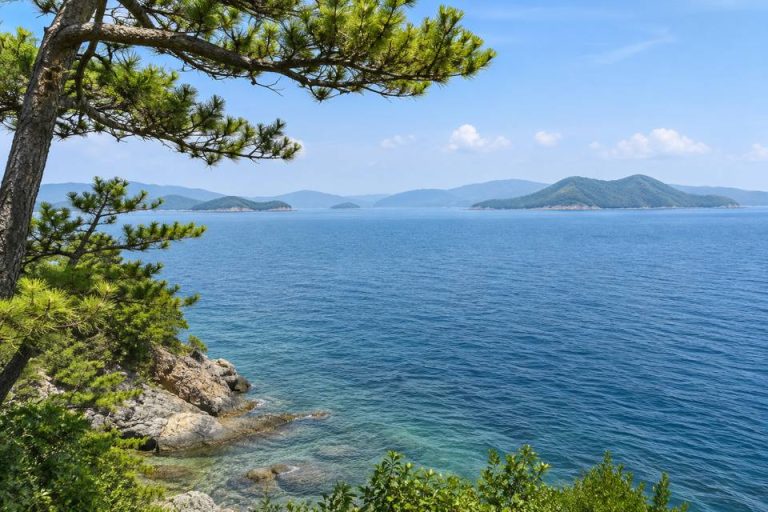
倉橋島は古く「長門の島」とも呼ばれ、万葉の歌にも詠まれてきました。1983年に開館した資料館は、造船や海運によって成り立った島の歴史を背景に、資料を収集・公開しています。海に向かう風景と一緒に、船の往来に支えられた土地の暮らしへ目を向けられます。倉橋町440にあり、呉中心部の海軍史を扱う施設とは異なる地域の展示です。
化石と考古資料から生活の道具まで
ナウマンゾウなどの化石や、古代から近世の土器などの考古資料を展示しています。「長門島と万葉」のコーナーに加え、農業、石材業といった島の産業、生活・民芸・文芸の資料も扱います。大きな施設を長時間巡る見学とは違い、海岸の散歩や近くの文化施設と合わせ、気になる道具や資料を一つずつ見られます。自然と人の営みを同じ島の時間軸で学べる構成です。
個人料金と証明書による免除
個人は一般100円、高校生60円、小中学生40円、20名以上の団体は80円・50円・30円です。呉市内在住在学の高校生以下、対象の周辺市町の小中高校生などは条件に応じて無料で、住所と学年を示す証明が必要です。呉市いきいきパス、原爆手帳、障害者手帳などによる免除もあります。同行者の年齢と証明の条件に合わせて入館でき、桂浜の景色と組み合わせる短い文化見学にも向きます。
桂浜のバス停から徒歩一分
利用時間は9~16時30分で、毎週月曜は祝日・休日の場合に翌日休館、12月29日~1月3日も休館です。呉中心部から車で約40分が目安。公共交通は広電バス呉倉橋島線「桂浜・温泉館」で降り、徒歩約1分です。駐車はくらはし桂浜温泉館の駐車場を利用する案内で、資料館の入館と温泉の利用料金・営業時間は別です。帰りのバス時刻を含めて島の滞在を組み立てられます。
呉市内で組み合わせる訪問先
呉市は中心の港町から川尻・安浦、音戸・倉橋、とびしま海道の島々へ広がります。下の施設は市内の別分野の訪問先です。地域が異なる施設は車やバスでの移動時間を取り、橋の通行料、食事の締切、宿の到着時間に合わせて組み合わせられます。駐車場は訪れる地域と出入庫条件で選べます。
A museum of shipping and shipbuilding island life
Kurahashi was once known as Nagato Island and appears in Manyoshu poetry. Opened in 1983, the museum collects and presents material from an island community shaped by shipping and boatbuilding. Its displays connect the surrounding seascape with local livelihoods. At 440 Kurahashi-cho, it explores a different regional history from the naval museums in central Kure.
From fossils and archaeology to everyday tools
Displays include Naumann’s elephant fossils and pottery ranging from ancient to early-modern periods. A Nagato Island and Manyoshu section sits alongside material on agriculture, stoneworking, domestic life, folk crafts and literature. The compact collection can be combined with the shore and nearby cultural sites, taking time over individual tools and objects to connect natural history with people’s lives.
Individual prices and certificate exemptions
Individual admission is ¥100 adults, ¥60 high school and ¥40 primary/junior high; groups of twenty pay ¥80, ¥50 or ¥30. Eligible pupils living and studying in Kure, and schoolchildren from specified neighbouring municipalities, enter free subject to evidence of address and school level. Ikiiki passes and eligible atomic-bomb survivor or disability certificates also provide exemptions.
One minute from the Katsuragahama stop
Open 09:00–16:30, closed Mondays or the next day after a holiday, and December 29–January 3. The drive from central Kure is around forty minutes. On the Hiroden Kure–Kurahashi route, alight at Katsuragahama Onsenkan and walk one minute. Visitors use the hot-spring complex’s car park, while museum entry and bathing have separate prices and hours. Include the return bus when planning an island stay.
Other stops to combine within Kure City
Kure extends from the central port to Kawajiri, Yasuura, Ondo, Kurahashi and the Tobishima islands. The links below introduce other types of city stops. For venues in different districts, allow driving or bus time as well as bridge tolls, last orders and accommodation arrival. Select parking by the area visited and its access conditions.
周辺の地図
同じ地域の旅の案内
下蒲刈市民センター前駐車場|無料50台、三之瀬の文化施設へ
蘭島文化振興財団の施設見学には、下蒲刈市民センター前の無料駐車場を利用できます。案内台数は50台・大型バス可。三之瀬の蘭島閣美術館や松濤園などは別料金で、基本9~17時・入館16時30分まで、火曜休。安芸灘大橋の通行料は別です。
案内を読む↗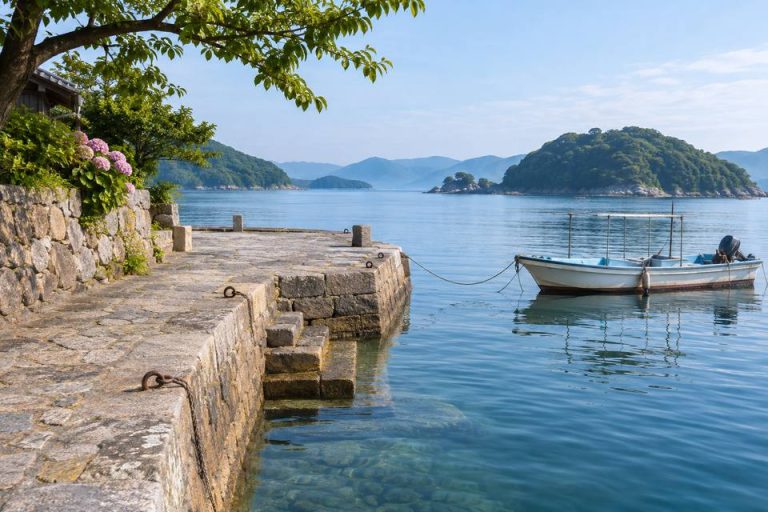
御手洗駐車場|大崎下島の無料20台、港町を徒歩で巡る拠点
御手洗の町歩きに使う無料駐車場は20台。大崎下島の保存地区で車を置き、港の高燈籠や雁木、商家の路地を徒歩で巡れます。観光案内の休憩所は平日10時・土日祝9時~16時30分、火曜休が基本で、駐車場と建物の利用条件は別です。
案内を読む↗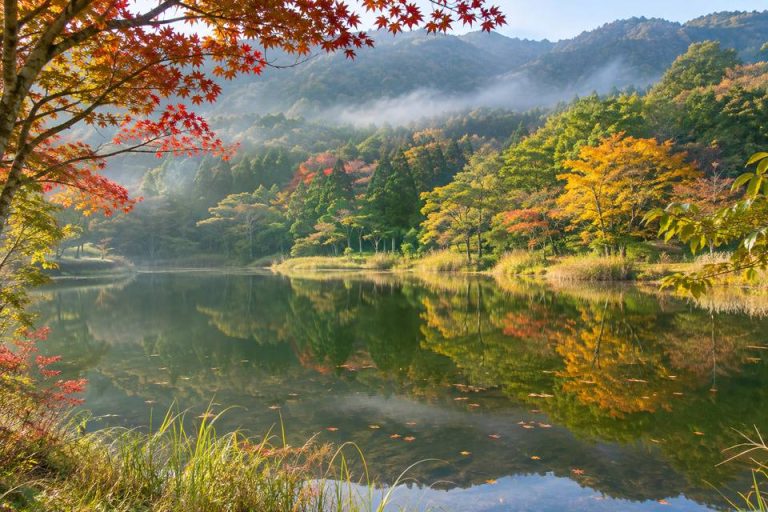
野呂山ビジターセンター駐車場|氷池北側の無料拠点と山上散策
野呂山ビジターセンターの駐車場は無料で、川尻町の山上・氷池北側の散策拠点です。安芸川尻駅から車約20分、かぶと岩展望台へ周辺を歩けます。ビジターセンターの開館9~18時と駐車場の条件は別で、山道の天候と帰路の時間を含めて利用できます。
案内を読む↗アレイからすこじま駐車場|無料28台とバス10台、20時施錠
アレイからすこじま駐車場は船見町5-5、普通車28台・大型バス10台の無料観光駐車場。8~20時で、20時以降は施錠されます。予約制ではなく、工事や検診など観光以外の目的は対象外。港の公園の散策と駐車場の利用時間は分けて計画できます。
案内を読む↗入船山公園駐車場|122台、昼60分100円と美術館通りの散策
入船山公園駐車場は幸町の普通車122台、24時間・無休。8~20時は60分100円、20~翌8時は90分100円です。入船山記念館や呉市立美術館を歩いて回る拠点で、無料の入船山西観光バス駐車場12台とは別施設です。
案内を読む↗呉駅西駐車場|481台・24時間、昼夜別の上限と大和観覧の減免
呉駅西駐車場は481台、24時間・無休。7~24時は30分100円・区分最大1,500円、0~7時は1時間100円・最大500円です。車長5m・幅2m・高さ2m以下。大和ミュージアム当日観覧で職員対応7~20時に手続きすると1時間まで減免があります。
案内を読む↗