
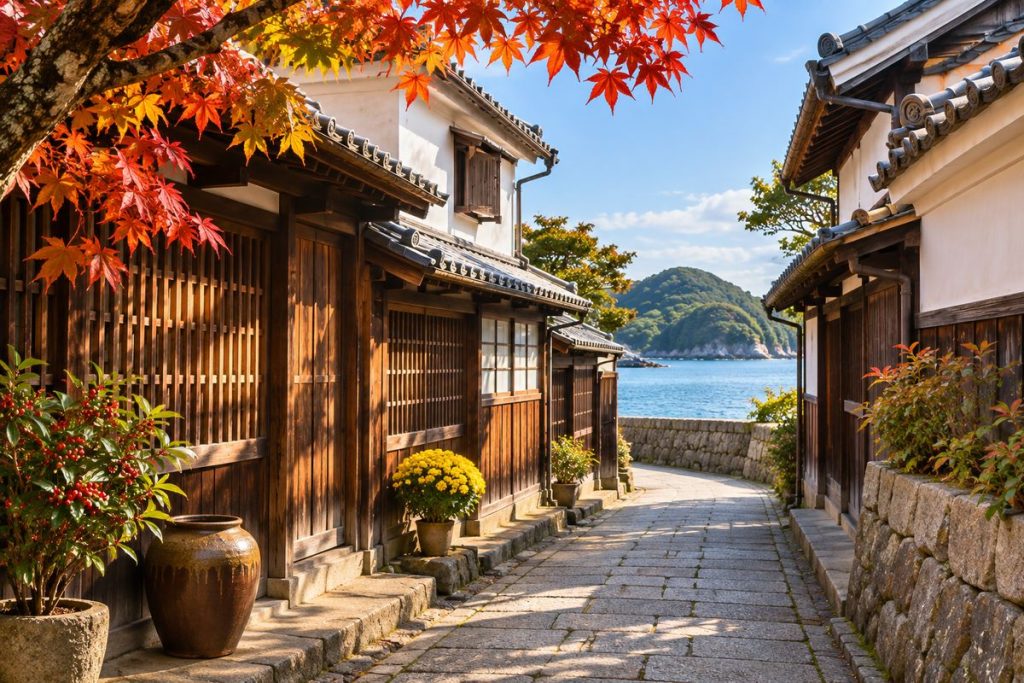
御手洗は、とびしま海道の大崎下島に残る潮待ち・風待ちの港町です。海辺の石造の港湾施設から細い路地へ入り、江戸期から近代の商家、船宿、住宅が混ざる町並みを歩けます。1994年に重要伝統的建造物群保存地区へ選ばれ、今も暮らしが続く町の歴史を感じられます。
基本情報
| 地域 | 大崎下島、呉市豊町御手洗 |
|---|---|
| 休憩所 | 御手洗65、平日10:00/土日祝9:00~16:30 |
| 案内拠点の休日 | 火曜、祝日は翌日、12/29~1/3 |
| 見学条件 | ガイド3,000円・一週間前予約、若胡子屋跡は修復中見学不可 |
Mitarai grew as a port where ships waited for favourable tides and winds on Osaki-Shimojima. Stone harbour structures lead into narrow lanes with merchant houses, inns and homes from the Edo period onward. Designated a preservation district in 1994, it remains a living community as well as a historic townscape.
At a glance
| Area | Mitarai on Osaki-Shimojima, Kure City |
|---|---|
| Rest house | No.65; weekdays from 10:00, weekends/holidays from 09:00, closes 16:30 |
| Information-base closures | Tuesdays or next day after a holiday; December 29–January 3 |
| Visit conditions | Guide ¥3,000, book one week ahead; Wakaebisuya closed for restoration |
STAY NEAR YOUR DESTINATION
この周辺の宿泊施設
同じ地域の宿泊施設をご紹介します。
海辺と路地がつなぐ港町の歴史
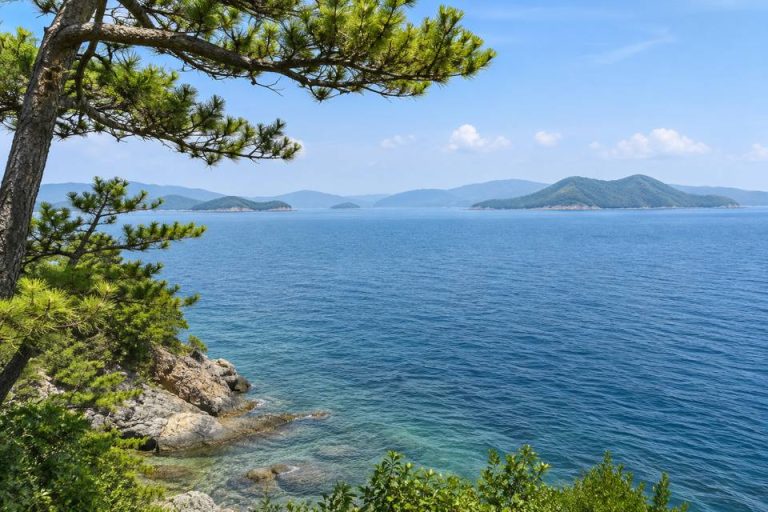
17世紀中頃から形づくられた御手洗は、瀬戸内海交通の中継港として発展しました。限られた土地を埋め立てながら、商家、茶屋、船宿、住宅、寺社が混在する町を形成しています。大波止、石橋、高燈籠、石垣護岸や船へ乗り降りする雁木など、港の暮らしを支えた構造物も残ります。海辺の見通しの良い道と網目のような路地を組み合わせて歩くと、町のつくりを感じられます。
見学できる場所と修復中の建物
町並みは一つの建物内の展示ではなく、現在も生活する人がいる地区です。通りから家並みや港の景観を眺め、個別に開く施設はその公開条件で利用します。現存する茶屋建築の若胡子屋跡は、修復作業中のため見学できません。地区全体の散策と特定の建物の内部見学を分けて計画できます。1994年7月4日の保存地区選定後も、港町の建物と地割の特徴が大切に守られています。
御手洗休憩所と予約ガイド
案内拠点の御手洗休憩所は御手洗65にあり、古民家を改修した建物で見どころを案内し、トイレと駐輪場を備えます。平日10時~16時30分、土日祝9時~16時30分で、火曜は祝日なら翌日、12月29日~1月3日も休館です。豊町観光ガイドは3,000円で一週間前までの予約が必要です。自分のペースで歩く散策と、港町の歴史を説明してもらう見学を選べます。
島を渡る移動と駐車
車ではとびしま海道の島々を渡って大崎下島へ向かいます。呉ICから約1時間30分が市の案内の目安で、島内の道や立ち寄り時間を含めて余裕を取れます。無料の御手洗駐車場は20台。バスは広駅前から豊島・沖友天満宮方面に乗り「御手洗港」で降りられます。橋を渡る行程と帰路の便、休憩所の終了時刻を合わせて、町歩きと海辺の休憩の時間を確保できます。
呉市内で組み合わせる訪問先
呉市は中心の港町から川尻・安浦、音戸・倉橋、とびしま海道の島々へ広がります。下の施設は市内の別分野の訪問先です。地域が異なる施設は車やバスでの移動時間を取り、橋の通行料、食事の締切、宿の到着時間に合わせて組み合わせられます。駐車場は訪れる地域と出入庫条件で選べます。
Harbour structures and narrow lanes
Mitarai developed from the mid-seventeenth century as an intermediate port in the Seto Inland Sea. Reclamation created room for merchants, tea houses, inns, homes, temples and shrines. Breakwaters, stone bridges, a lighthouse, stone embankments and stepped boat landings survive. Combining the open waterfront with the mesh of lanes helps reveal how the port was arranged.
Public streets and a building under restoration
This is a neighbourhood where people live, rather than a single indoor attraction. Enjoy houses and harbour views from the public streets; individual venues follow their own opening arrangements. Wakaebisuya, a surviving historic tea-house building, is unavailable for visits during restoration. Separate a district walk from plans to enter particular buildings. Preservation designation on July 4, 1994 recognised the town’s buildings and street pattern.
The rest house and advance tour bookings
The rest house at 65 Mitarai occupies a converted traditional home with visitor information, toilets and bicycle parking. It opens 10:00–16:30 weekdays and 09:00–16:30 weekends and holidays, closed Tuesdays or the next day after a holiday, and December 29–January 3. Yutaka-machi guided tours cost ¥3,000 and require booking one week ahead. Choose an independent walk or a visit with historical explanation.
Crossing the islands and parking
Drivers cross the Tobishima islands to Osaki-Shimojima; the city suggests around ninety minutes from Kure IC, with extra time for island roads and stops. The free Mitarai car park has twenty spaces. From Hiro Station, buses towards Toyoshima and Okitomo Tenmangu stop at Mitarai Port. Coordinate the crossings, return service and information-centre closing time to allow for a town walk and waterfront break.
Other stops to combine within Kure City
Kure extends from the central port to Kawajiri, Yasuura, Ondo, Kurahashi and the Tobishima islands. The links below introduce other types of city stops. For venues in different districts, allow driving or bus time as well as bridge tolls, last orders and accommodation arrival. Select parking by the area visited and its access conditions.
周辺の地図
同じ地域の旅の案内
下蒲刈市民センター前駐車場|無料50台、三之瀬の文化施設へ
蘭島文化振興財団の施設見学には、下蒲刈市民センター前の無料駐車場を利用できます。案内台数は50台・大型バス可。三之瀬の蘭島閣美術館や松濤園などは別料金で、基本9~17時・入館16時30分まで、火曜休。安芸灘大橋の通行料は別です。
案内を読む↗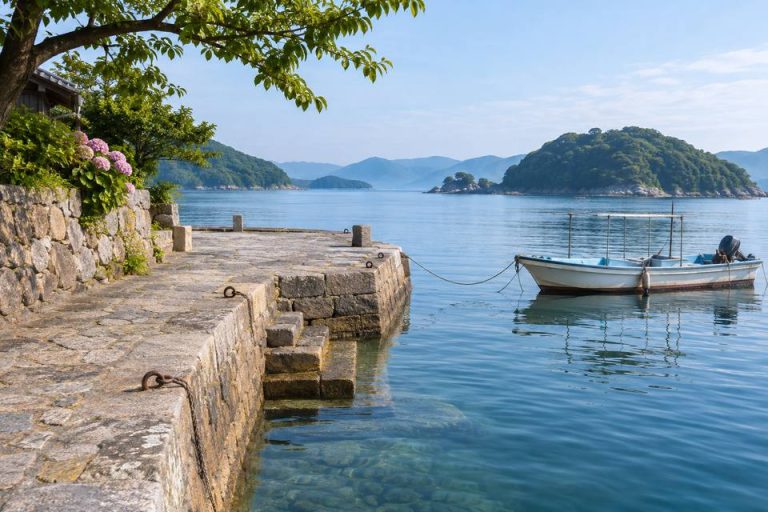
御手洗駐車場|大崎下島の無料20台、港町を徒歩で巡る拠点
御手洗の町歩きに使う無料駐車場は20台。大崎下島の保存地区で車を置き、港の高燈籠や雁木、商家の路地を徒歩で巡れます。観光案内の休憩所は平日10時・土日祝9時~16時30分、火曜休が基本で、駐車場と建物の利用条件は別です。
案内を読む↗
野呂山ビジターセンター駐車場|氷池北側の無料拠点と山上散策
野呂山ビジターセンターの駐車場は無料で、川尻町の山上・氷池北側の散策拠点です。安芸川尻駅から車約20分、かぶと岩展望台へ周辺を歩けます。ビジターセンターの開館9~18時と駐車場の条件は別で、山道の天候と帰路の時間を含めて利用できます。
案内を読む↗アレイからすこじま駐車場|無料28台とバス10台、20時施錠
アレイからすこじま駐車場は船見町5-5、普通車28台・大型バス10台の無料観光駐車場。8~20時で、20時以降は施錠されます。予約制ではなく、工事や検診など観光以外の目的は対象外。港の公園の散策と駐車場の利用時間は分けて計画できます。
案内を読む↗入船山公園駐車場|122台、昼60分100円と美術館通りの散策
入船山公園駐車場は幸町の普通車122台、24時間・無休。8~20時は60分100円、20~翌8時は90分100円です。入船山記念館や呉市立美術館を歩いて回る拠点で、無料の入船山西観光バス駐車場12台とは別施設です。
案内を読む↗呉駅西駐車場|481台・24時間、昼夜別の上限と大和観覧の減免
呉駅西駐車場は481台、24時間・無休。7~24時は30分100円・区分最大1,500円、0~7時は1時間100円・最大500円です。車長5m・幅2m・高さ2m以下。大和ミュージアム当日観覧で職員対応7~20時に手続きすると1時間まで減免があります。
案内を読む↗