
家島神社は、播磨灘の家島本島、宮港の東側にある神社です。島の森に包まれた天神鼻の境内へ、船で渡り、海辺の町を通って参拝します。神武天皇や菅原道真の伝承、夏のだんじり船の祭りに、港とともに暮らす島の歴史が残ります。
基本情報
| 場所 | 家島本島・宮港東の天神鼻 |
|---|---|
| 島内の移動 | 宮港から徒歩約25分 |
| 定期船 | 姫路港~宮港、家島ライナー利用 |
| 船の片道料金 | 大人1,000円、小中高校生500円 |
Ieshima Shrine stands east of Miya Port on the main island of Ieshima in Harima-nada. A passenger-boat crossing and a walk through the harbour settlement lead to its wooded Tenjinbana precinct. Traditions of Emperor Jimmu and Sugawara no Michizane, together with summer festival boats, connect the shrine to the island’s maritime life.
At a glance
| Setting | Tenjinbana, east of Miya Port on the main island |
|---|---|
| Island approach | Allow around twenty-five minutes on foot from Miya Port |
| Passenger boat | Ieshima Liner between Himeji Port and Miya Port |
| One-way boat fare | Adults ¥1,000; primary through high-school pupils ¥500 |
STAY NEAR YOUR DESTINATION
この周辺の宿泊施設
同じ地域の宿泊施設をご紹介します。
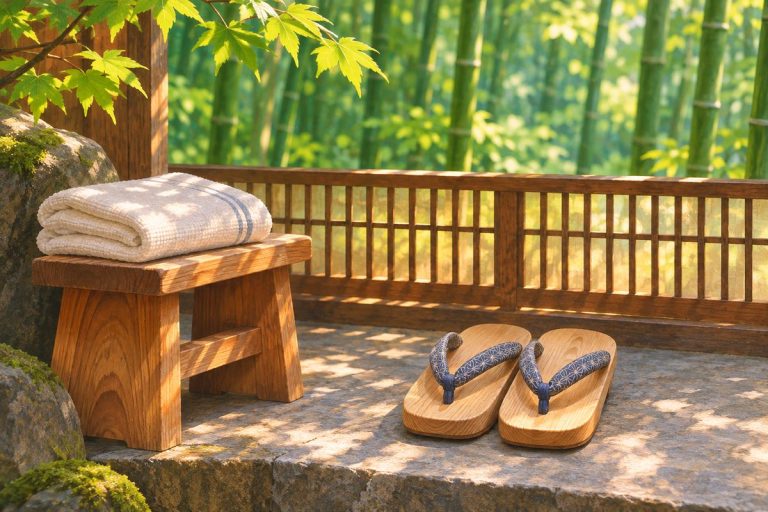
天神鼻の森に包まれる境内
家島本島の東側、宮港の先に延びる天神鼻に鎮座し、周囲には島の原生林が残ります。港の船や海辺の家並みを見ながら歩き、坂や石段を経て木々に囲まれた社殿へ向かう道筋です。海の町から森へ移る風景の変化があり、本土の城周辺とは違う姫路市の島の景観を味わえます。
航海をめぐる神武天皇と道真の伝承
神武天皇が即位前の航海の際に祈願したと伝えられます。菅原道真も太宰府へ向かう途中に参拝したという伝承があり、近くの海岸には「詩ヲ書場」と呼ばれる場所が残ります。『続日本後紀』には840年に官社となったことが記され、古くから瀬戸内海を行き来する人々の信仰と結びついてきた神社です。
海と港に続く夏の天神祭
祭神は大己貴命、小名彦命、天満天神です。例祭は毎年7月下旬に行われる夏祭りで、だんじり船が海を渡る行事で知られます。船が集まる家島の暮らしと信仰が重なる祭りです。普段の参拝では、港町を歩きながら森の社へ向かい、祭りの時期とは異なる静かな境内と海辺を巡れます。
姫路港から宮港へ渡る
姫路駅北口から姫路港行きの路線バスを利用し、港から家島ライナーで家島本島の宮港へ渡ります。運賃は片道大人1,000円、小中高校生500円です。宮港からは参道までの町歩きを含め徒歩約25分を取れます。一般の車は船に載せて島へ乗り入れる方式ではなく、本土側の港周辺駐車場に置きます。帰りの定期船に合わせて参拝と散策の時間を組めます。
姫路市内で組み合わせる訪問先
姫路市内で観光と食事、宿泊や駐車場を組み合わせる際には、次の施設も選べます。
A precinct in Tenjinbana woodland
The shrine occupies Tenjinbana beyond Miya Port on the eastern side of the main island, surrounded by surviving island woodland. The approach passes boats and waterfront houses before slopes and stone steps lead toward the shrine buildings. The change from harbour settlement to trees introduces Himeji’s island landscape beyond the mainland castle district.
Traditions of Jimmu and Michizane
Tradition links the shrine to prayers offered by Emperor Jimmu before his accession. Sugawara no Michizane is also said to have visited while travelling toward Dazaifu; a nearby shore is remembered as the place where he wrote a poem. The chronicle Shoku Nihon Koki records official shrine status in 840, connecting this site with centuries of travel and belief around the Inland Sea.
A summer festival carried across the water
The enshrined deities include Onamuchi, Sukunahikona and Tenman Tenjin. The annual festival is held in late July and is known for danjiri boats travelling across the water, bringing maritime life and worship together. At other times, the walk through the settlement to the wooded shrine offers a quieter setting than the festival season.
Crossing from Himeji Port to Miya
Take a Himeji-Port bus from Himeji Station’s north exit, then Ieshima Liner to Miya Port on the main island. One-way fares are ¥1,000 adults or ¥500 school pupils through high school. Allow around twenty-five minutes for the walk from Miya through the settlement toward the shrine. Ordinary visitors leave their cars in mainland port parking rather than bringing them aboard. Plan the shrine walk around the return passenger-boat service.
Other stops to combine within Himeji
Consider these other places when combining sightseeing, meals, accommodation and parking within Himeji City.