
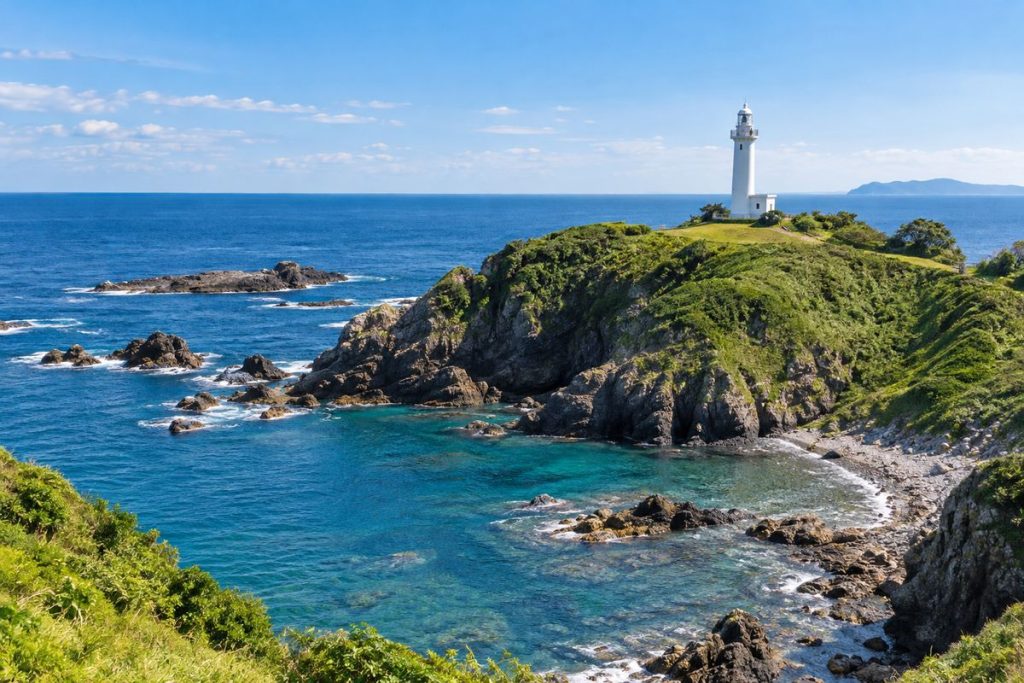
爪木崎の灯台と海岸を表した生成イメージ。
爪木崎では、白い灯台と青い海、規則的な柱の形をした岩場を一緒に眺められます。冬の水仙が有名ですが、海岸植物や花園、遊歩道は季節ごとに表情を変えます。短い展望散策から海岸線を歩くコースまで、歩く距離に合わせて滞在を組める岬です。
基本情報
| 所在地 | 静岡県下田市須崎 |
|---|---|
| 主な見どころ | 爪木埼灯台、俵磯の柱状節理、花園 |
| 水仙の季節 | 例年12月下旬~1月、最盛期は1月 |
| 散策コース | グリーンエリア約2km・約1時間15分 |
| 駅から | 爪木崎行きバス約22分、終点下車すぐ |
| 駐車場 | 有料 |
Cape Tsumekizaki combines a white lighthouse, open sea views and geometric columns of coastal rock. Winter narcissus is a highlight, while the flower garden, coastal plants and paths change with the seasons. Choose a short viewpoint visit or a longer coastal walk to suit the time and distance you want to cover.
At a glance
| Location | Suzaki, Shimoda, Shizuoka |
|---|---|
| Highlights | Tsumekizaki Lighthouse, Tawaraiso columnar rocks and flower garden |
| Narcissus season | Usually late December–January, peaking in January |
| Walking route | Green Area route: around two kilometres and one hour fifteen minutes |
| From the station | About twenty-two minutes by Tsumekizaki bus; beside the final stop |
| Parking | Paid parking available |
STAY NEAR YOUR DESTINATION
この周辺の宿泊施設
同じ地域の宿泊施設をご紹介します。
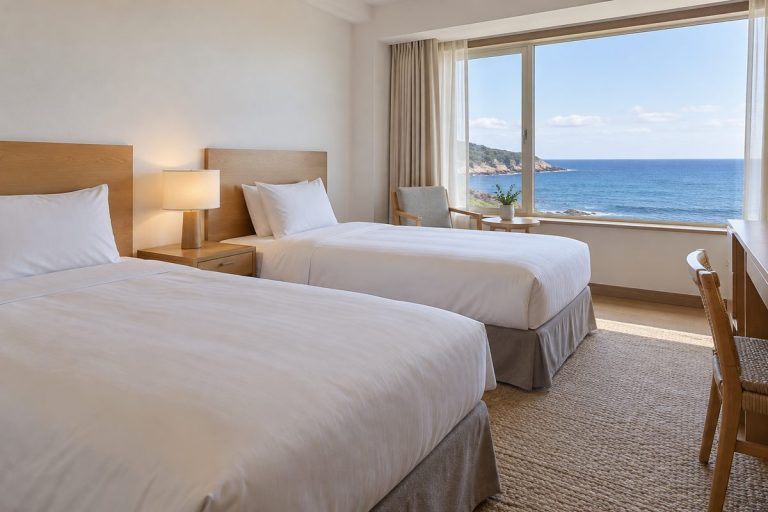
白い灯台と俵磯の柱状節理を眺める
須崎半島の東南端には白い爪木埼灯台が立ち、周囲には海を望む丘や海岸の岩場が広がります。俵磯では、五角形や六角形の柱が並ぶ柱状節理を見られます。岩体は海底火山の地層にマグマが入り込んだシルにできたもので、隆起や浸食によって地表へ現れた景観です。
水仙の季節と一年の花々
水仙は例年12月下旬から1月に見られ、最盛期の目安は1月です。同じ園内でも開花の早い場所と遅い場所があり、日によって風景が変わります。冬以外にもハマダイコン、スカシユリ、ハマユウ、イソギクなどの海岸植物が育ち、花園や温室も散策の見どころとなります。
距離に合わせて遊歩道を選ぶ
グリーンエリアから赤崎、爪木崎、俵磯、灯台を巡るコースは約2km・約1時間15分の案内です。須崎漁港から海岸線をたどる須崎遊歩道は約2.7km・約2時間45分で、岩場や山道を含みます。岬周辺だけを歩く行程と海岸を長く歩く行程で、往復に使う時間や靴、帰りの交通を整えます。
爪木崎行きのバスと駐車場を使う
伊豆急下田駅から爪木崎行きバスで約22分、終点「爪木崎」を降りるとすぐに景勝地へ着きます。車の場合は国道135号の須崎・爪木崎方面の分岐から半島へ入り、有料駐車場を利用できます。トイレは駐車場付近にあります。海沿いの遊歩道を歩く場合は、出発地と到着地が異なるコースもあるため、戻る区間を含めて行程を組みます。
下田市内で組み合わせる訪問先
爪木崎の散策、魚市場の金目亭、白浜の下田プリンスホテルは、地域間の移動を加える組み合わせです。金目亭の昼の注文締切は店舗へ確認し、ホテル送迎は予約して利用します。白濱神社の駐車場は白浜側にあり、爪木崎の駐車場とは別。神社の駐車場はキャッシュレス精算で、参拝者の無料時間は40分です。
See the lighthouse and Tawaraiso columns
White Tsumekizaki Lighthouse stands near the southeastern end of the Suzaki Peninsula, surrounded by sea-facing hills and rocky shore. At Tawaraiso, five- and six-sided rock columns form regular patterns. The columns developed in a sill, where magma intruded into submarine volcanic layers, and were later exposed by uplift and erosion.
Winter narcissus and flowers through the year
Narcissus is usually seen from late December through January, with January the typical peak. Different parts of the grounds bloom at different times, changing the view from one visit to another. Other seasons bring coastal plants such as wild radish, lilies, spider lilies and seaside chrysanthemums, with the flower garden and greenhouse adding further stops.
Choose a walking route by distance
The route from the Green Area through Takamba, the cape, Tawaraiso and the lighthouse is listed at about two kilometres and one hour fifteen minutes. The Suzaki coastal path from the fishing port is around 2.7 kilometres and two hours forty-five minutes, including rocky and hillside sections. Match footwear, return transport and available time to a short cape visit or the longer coastal route.
Use the Tsumekizaki bus and parking
The Tsumekizaki bus from Izukyu-Shimoda Station takes about twenty-two minutes to its final stop beside the headland. Drivers turn off Route 135 towards Suzaki and Tsumekizaki and use the paid parking areas. Toilets are near the parking. Some coastal walking routes have different start and finish points, so include the return leg when planning your outing.
Other stops to combine within Shimoda
Cape Tsumekizaki, Kinmetei at the fish market and Shimoda Prince Hotel in Shirahama require travel between areas. Ask Kinmetei about lunch last orders and book hotel transfers in advance. The shrine lot is in Shirahama, separately from cape parking. It uses cashless payment and offers worshippers forty free minutes.
周辺の地図
同じ地域の旅の案内
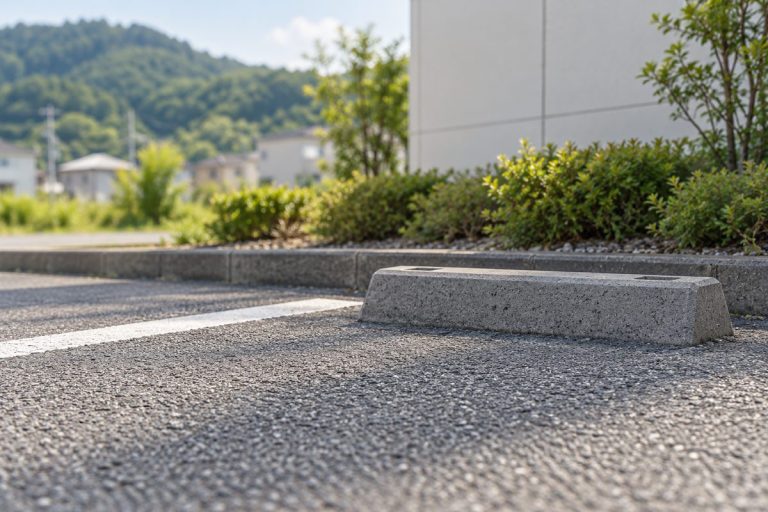
タイムズ下田とうきゅう|駅前114台、30分200円の時間貸し駐車場
下田とうきゅうの時間貸し駐車場114台。24時間入出庫可、通常30分200円税込、最大料金の設定はありません。車両は長さ5m・幅1.9m・高さ2.1m・重量2.5tまで。現金、カード、電子マネー、QR決済などに対応。駅前の買い物や市街地での短い立ち寄りに使えます。
案内を読む↗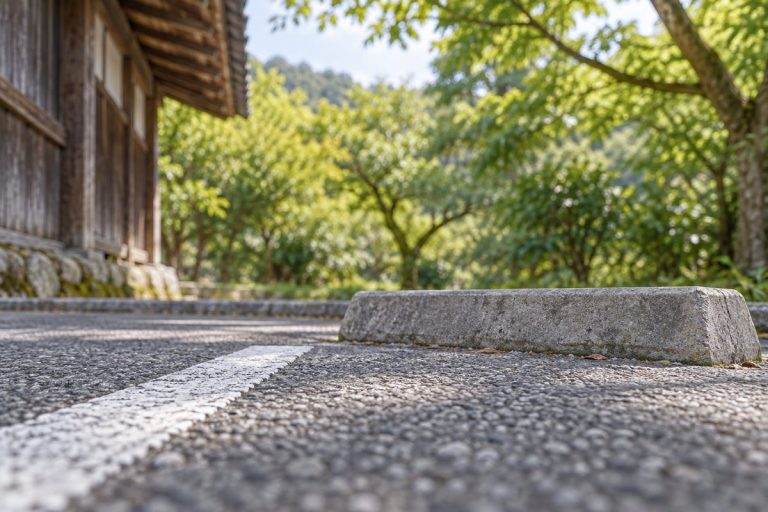
タイムズ白濱神社|キャッシュレス駐車、参拝40分無料と料金・車両制限
白濱神社の駐車場41台、24時間入出庫可。現金不可のキャッシュレス精算で、参拝者は40分無料。通常は当日24時まで最大1,000円、夏季は特定日料金があります。車両は長さ5m・幅1.9m・高さ2.1m・重さ2.5tまで。
案内を読む↗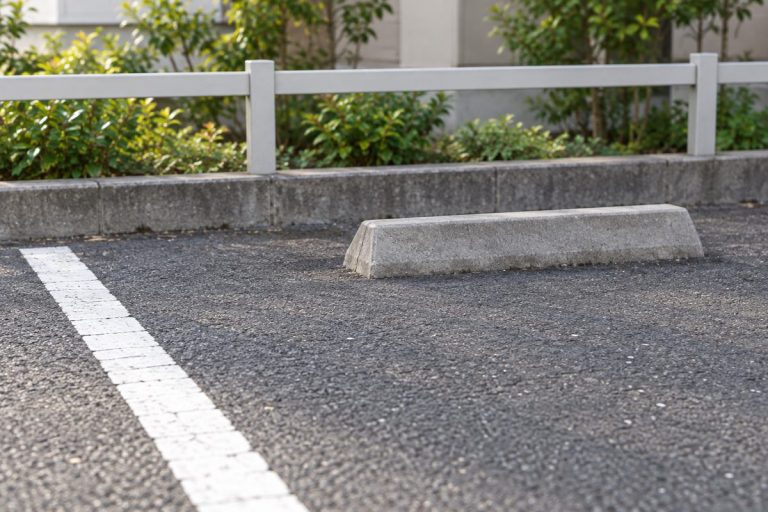
渡邉駐車場|下田駅徒歩2分の予約駐車、車幅の目安と日単位料金
タイムズのBの予約制駐車場で、伊豆急下田駅から徒歩約2分。掲載料金1日1,000円、利用可能時間0~24時。車室は全長4.90m・幅2.30m、車幅1.80mまでを推奨しています。舗装・屋根なし。再入庫可能で、宿泊して日付をまたぐ場合は連続した日程を予約します。
案内を読む↗
敷根公園駐車場|100台無料、運動施設と散策で使う敷根の駐車場
敷根公園の無料駐車場100台。所在地は敷根757、伊豆急下田駅から1.6km・徒歩約22分です。屋内温水プール、テニスコート、健康広場などの利用拠点。2026年11月3日10~16時に敷根公園フェスが予定され、施設ごとの利用時間・休館日があります。
案内を読む↗
まどが浜海遊公園駐車場|港沿いの無料駐車、17時閉鎖と散策設備
下田港沿いの公園駐車場。乗用車112台・バス5台、無料、8:30~17:00。17時~翌8:30は車止めで閉鎖し、時間外は駐車・出庫できません。芝生広場や休憩所、車椅子対応トイレがある海辺の立ち寄り先。夜間のトイレ利用は管理棟横2台の専用スペースを使います。
案内を読む↗
道の駅 開国下田みなと駐車場|港の無料駐車と食事、EV充電案内
下田港前の道の駅の無料駐車場。普通車207台に車椅子利用者用6台を含み、大型車13台。トイレ、スロープ、観光案内と飲食店があり、館内は原則9~17時・店舗により異なります。大型車駐車場内のEV充電区画は普通車も利用でき、充電は有料です。
案内を読む↗