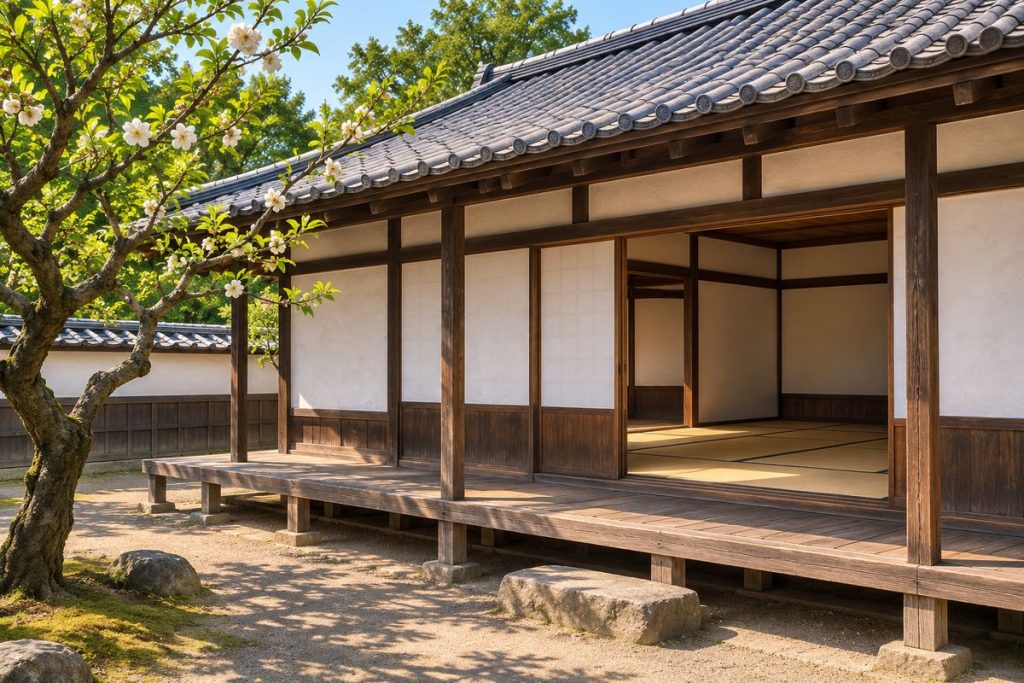
弘道館は、水戸藩の学問と武芸を支えた学校の建物や庭を歩く歴史施設です。徳川慶喜が幼少期に学び、大政奉還後に謹慎した場所でもあります。駅北口から三の丸の坂を上がり、残された建物と梅林を落ち着いて見学できます。
基本情報
| 所在地 | 茨城県水戸市三の丸1-6-29 |
|---|---|
| 冬時間 | 10月1日~2月19日9:00~16:30 |
| 夏時間 | 2月20日~9月30日9:00~17:00 |
| 入館料 | 大人420円、小中学生・70歳以上210円 |
| 休館 | 12月29~31日 |
| 駐車 | 無料一般13台、バス専用3台は事前相談 |
Kodokan preserves buildings and gardens of the school that supported scholarship and martial training in the Mito domain. Tokugawa Yoshinobu studied here as a child and stayed in confinement after returning political authority. Walk uphill from the station’s north side into Sannomaru to visit the surviving buildings and plum groves.
At a glance
| Location | 1-6-29 Sannomaru, Mito, Ibaraki |
|---|---|
| Winter hours | October 1–February 19, 9:00–16:30 |
| Summer hours | February 20–September 30, 9:00–17:00 |
| Admission | Adults ¥420; schoolchildren and age 70+ ¥210 |
| Closed | December 29–31 |
| Parking | Thirteen free car spaces; three coach spaces by arrangement |
STAY NEAR YOUR DESTINATION
この周辺の宿泊施設
位置を確認できた掲載宿泊施設から、近い順に最大4件。施設または番地を基にした直線距離の目安です。
位置情報:地理院地図(国土地理院)・各施設案内を基に当サイトで距離を算出。 Supported by Rakuten Developers
1841年の仮開館から生涯教育へ
弘道館は徳川斉昭による藩政改革の一環で1841年に仮開館し、施設整備を続けて1857年に本開館しました。当時の敷地は約10.5ha。儒学、歴史、天文、数学、音楽と剣術、槍術、馬術、水泳などを学ぶ総合的な学校です。藩士と子弟は15歳で入り、卒業を設けない学びの仕組みがとられていました。
正庁と至善堂、約800本の梅
戦火を免れた正門、正庁、至善堂は1964年に国の重要文化財へ指定されました。現在の旧弘道館区域は約3.4haの特別史跡で、約60品種800本の梅が植えられています。慶喜が学び、のちに謹慎した歴史を建物とともにたどれます。文化財の建物には段差があり、車いすでは見学できない区域もあるため、通行可能な経路を選ぶ見学です。
冬と夏の開館時間、年末3日間の休み
10月1日~2月19日は9~16時30分、2月20日~9月30日は9~17時です。休館は12月29~31日で、料金は大人420円、小中学生と70歳以上210円、未就学児無料。20人以上は大人320円・小中学生160円です。2026年11月13日の県民の日は全員無料の案内があり、季節の梅や三の丸散策と合わせて入館日を選べます。
通用門と13台の無料駐車場
通常は閉じた正門の右手にある通用門から料金所へ進みます。一般用無料駐車は13台で、前の道路は一方通行です。三の丸庁舎駐車場を使う場合は、料金所へ駐車券を提示すると入庫から3時間無料。バスは水戸駅北口4番から偕楽園行き約3分で弘道館下車ですが、経由しない便もあります。個人の自家用撮影は申請不要、業務撮影は原則平日換算2週間前までの申請制です。
水戸市内で組み合わせる訪問先
偕楽園・歴史館と千波湖の周辺では、庭園の見学と湖畔の食事を組み合わせられます。宿や飲食店の専用駐車場と一般利用の駐車場は利用目的が異なり、訪問先ごとに車を停める場所を選べます。駅前の店へ移動する場合も、宿の到着時刻、飲食の注文終了、駐車料金を合わせて一日の予定を組めます。
From the 1841 opening to lifelong learning
Kodokan opened provisionally in 1841 as part of Nariaki’s domain reforms, reaching its formal opening in 1857 after further construction. The original grounds covered about 10.5 hectares. Confucian learning, history, astronomy, mathematics and music accompanied swordsmanship, spears, riding and swimming. Domain retainers and their sons entered at fifteen; the absence of graduation supported continuing education throughout adult life.
Seicho, Shizendo and around eight hundred plums
The surviving main gate, Seicho and Shizendo became Important Cultural Properties in 1964. Today’s Special Historic Site covers about 3.4 hectares with roughly sixty plum varieties and eight hundred trees. The buildings connect Yoshinobu’s childhood study with his later confinement. Historic construction includes steps and areas inaccessible to wheelchairs, so the available route affects which interiors can be viewed.
Winter and summer opening and the year-end closure
Open 9:00–16:30 from October 1 to February 19 and 9:00–17:00 from February 20 to September 30. The closure is December 29–31. Admission costs ¥420 adults and ¥210 for schoolchildren or age seventy and above; preschoolers are free. Groups of twenty or more pay ¥320 adults/¥160 schoolchildren. November 13, 2026, Ibaraki Citizens’ Day, offers free admission to everyone.
The side entrance and thirteen free parking spaces
Enter by the side gate to the right of the normally closed main gate. Thirteen free car spaces stand by a one-way road. If using Sannomaru government-office parking, show the ticket at Kodokan’s admission desk for three free hours from entry. Some Kairakuen-bound buses from north stand 4 stop at Kodokan after about three minutes. Personal photography needs no application; commercial shoots normally require application at least two working weeks ahead.
Other stops to combine within Mito
Around Kairakuen, the history museum and Lake Senba, combine garden visits with lakeside meals. Hotel and restaurant parking serves a different purpose from general public parking, so choose a parking place for each destination. When continuing to station-side dining, coordinate hotel arrival, food last orders and parking charges across the day.
周辺の地図
同じ地域の旅の案内
水戸市営内原駅北口広場駐車場|送迎向け11台、30分無料・上限なし
内原駅北口広場の屋外平面11台、身障者用1台を含みます。24時間・年中無休。30分まで無料、1時間まで100円、以後1時間300円で上限なし。車長5m・幅2.5mまで。市のプリペイド・利用券対象、定期駐車なし。駅への送迎など短い滞在と長時間利用で費用が大きく変わります。
案内を読む↗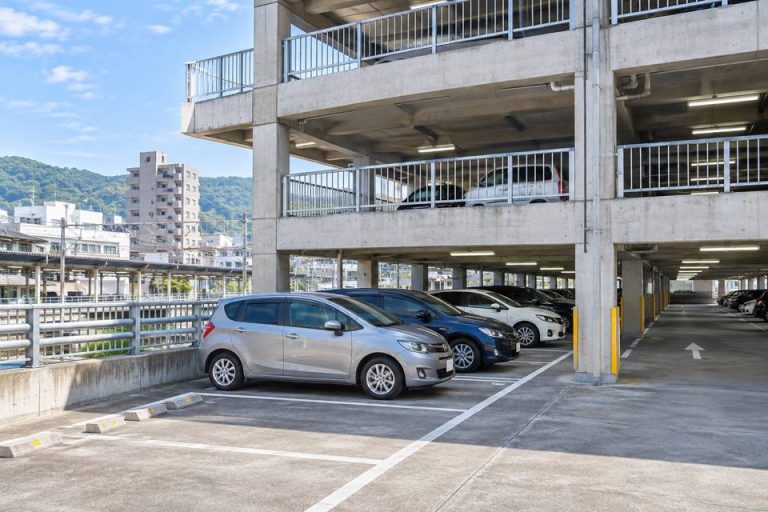
水戸市営赤塚駅北口駐車場|5階建521台、30分無料・最大500円
赤塚駅北口の5階建自走式521台、身障者用10台。24時間入出庫、30分まで無料、1時間まで200円、以後30分100円、24時間ごと最大500円。駅前広場の10台駐車場とは別施設です。市のプリペイド対応。2026年11月現在、定期駐車の新規申込は休止中です。
案内を読む↗水戸市営本町駐車場|32台、30分無料と24時間ごと最大500円
本町2丁目の屋外平面32台、身障者用1台を含みます。24時間・年中無休。30分まで無料、1時間まで200円、以後30分100円、24時間ごと上限500円。車長5m・幅2.5mまで。市のプリペイドカードや利用券に対応。短い用事と半日の街歩きで料金を比較できます。
案内を読む↗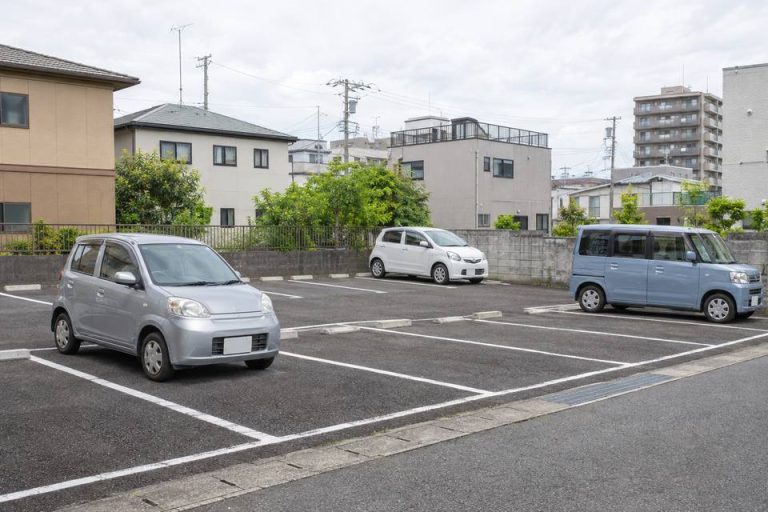
水戸駅南パーキング|256台、24時間ごと平日800円・土日祝1,000円
公社運営の水戸駅南口近くの256台・24時間駐車場。30分100円、入庫から24時間ごと平日最大800円・土日祝最大1,000円。長さ5m・幅2m・高さ2.2m・重量2tまで。エクセル提携あり。125cc超二輪は係員対応時間に前払い1日1回500円。定期申込は10月現在停止中です。
案内を読む↗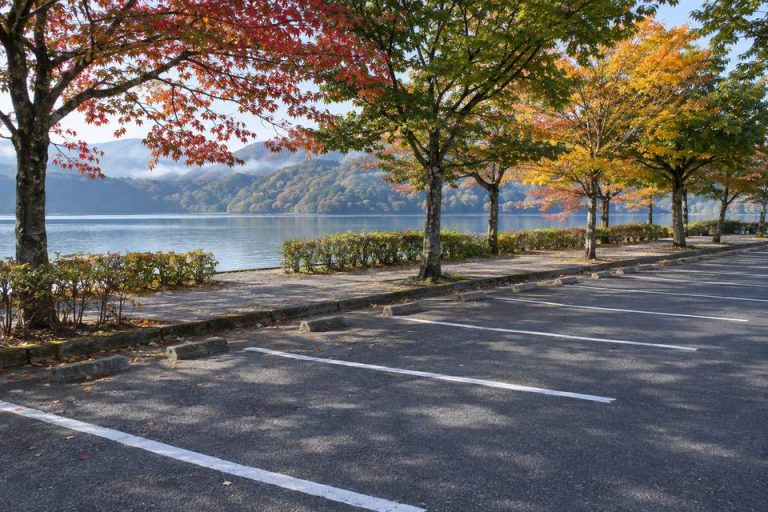
千波湖西駐車場|24時間自動精算、平日無料と土日祝の1回500円
普通車155台・大型22台、24時間入出庫。通常の平日は無料、土日祝・1/1~3・梅まつり期間は普通車1日1回500円、大型2,500円。入庫後30分以内の出庫無料。荷物込み高さ2.4m以上は大型扱い。出口で精算、キャッシュレス可・高額紙幣不可。先着順・予約不可。
案内を読む↗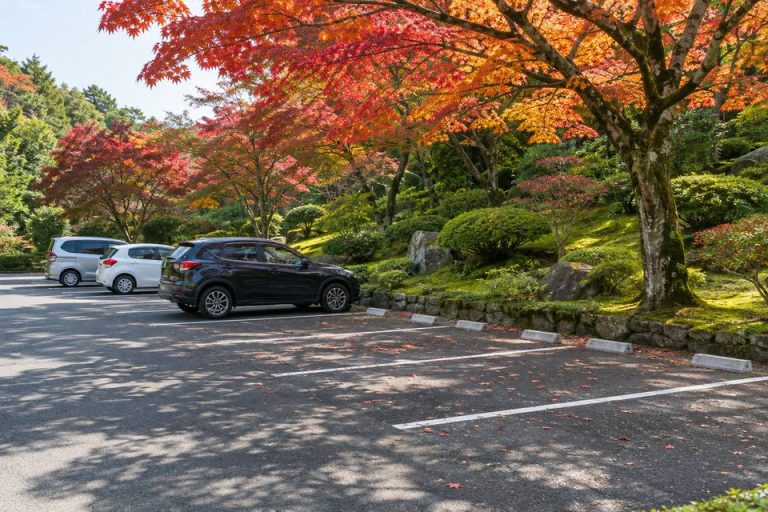
偕楽園下駐車場|東門改修時の入口と普通車向けの利用案内
普通車向けの偕楽園下駐車場。通常8~17時は1日1回500円・現金のみ、時間外無料。11月6日から東門の仮設ゲートへの切替予定。掲載台数に差があり、偕楽園公式は改修中の大型・マイクロバス駐車不可を案内しています。
案内を読む↗