
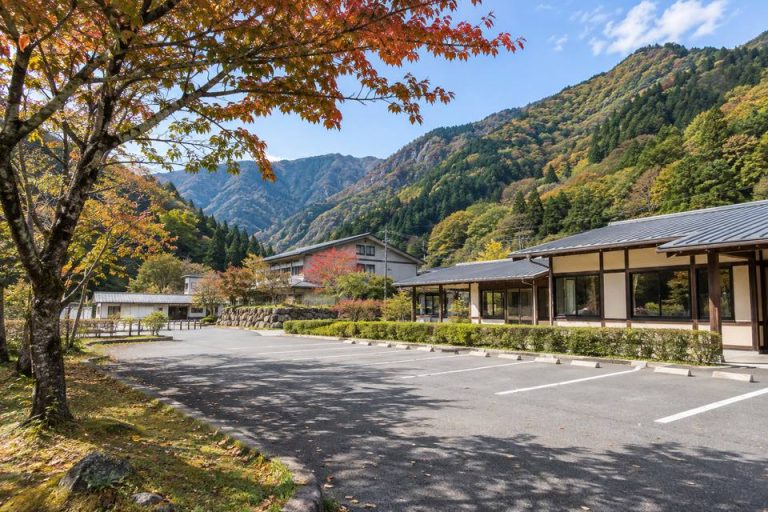
杉並木公園は、今市の杉並木を歩きながら、水車と古い民家に立ち寄れる公園です。杉線香づくりや米つきに使われた水の動力、江戸時代の家、二宮尊徳の報徳仕法に関わる建物を組み合わせて見学できます。上今市駅のすぐそばで、鉄道で訪ねる短い散策にも使えます。
基本情報
| 所在地 | 栃木県日光市瀬川382 |
|---|---|
| 最寄り駅 | 東武日光線「上今市駅」下車すぐ |
| 旧江連家 | 1830年築、見学無料 |
| 旧江連家の時間 | 10:00~16:00、12月29日~1月3日休館 |
| 普通車P | 国道119号沿い27台、駅近く26台、無料 |
| 大型バスP | 国道119号沿い3台、無料 |
Suginamiki Park combines a walk along Imaichi’s cedars with waterwheels and historic houses. Explore water power once used for cedar incense and grain, an Edo-period house and a building associated with Ninomiya Sontoku’s Hotoku reforms. Its location beside Kami-Imaichi Station suits a shorter railway-based visit.
At a glance
| Location | 382 Segawa, Nikko, Tochigi |
|---|---|
| Nearest station | Beside Kami-Imaichi Station on the Tobu Nikko Line |
| Former Ezure house | Built in 1830; admission free |
| House hours | 10:00–16:00; closed December 29–January 3 |
| Car parking | Twenty-seven spaces along Route 119 and twenty-six near the station, free |
| Coach parking | Three spaces along Route 119, free |
STAY NEAR YOUR DESTINATION
この周辺の宿泊施設
位置を確認できた掲載宿泊施設から、近い順に最大4件。施設または番地を基にした直線距離の目安です。
位置情報:地理院地図(国土地理院)・各施設案内を基に当サイトで距離を算出。 Supported by Rakuten Developers
杉の根を守り、文化を伝える公園
日光杉並木街道は国の特別史跡と特別天然記念物に指定されています。公園は杉の根を守るため周辺の土地を公有化して整備されました。木陰を歩くだけでなく、かつての水車や民家を復元し、街道沿いの産業と生活を伝える場所になっています。日光の社寺が集まる山内地区とは別の、今市の街道文化を訪ねる散策です。
杉線香と米つきの水車
今市では杉線香の生産が盛んで、水車はその動力や米つき、粉挽きにも使われていました。園内には当時の仕事を伝える水車、揚水車のほか、日本の水車と比べられる海外の水車も設置されています。水の流れと歯車の動きを眺めながら、周囲の杉と地域産業がどう結び付いていたかを知る見学です。
旧江連家と報徳仕法の農家
旧江連家は1830年築の民家を移築したもので、見学は無料です。二宮尊徳の報徳仕法による農家を復元した別の建物は、現在そば店として使われています。公園内には朝鮮通信使の今市客館跡碑もあり、日光へ向かった使節と宿場の関わりを伝えます。古民家の内部見学と、公園を歩いて碑や水車を巡る時間を組み合わせられます。
建物の見学時間と二つの駐車場所
旧江連家の案内時間は10~16時で、12月29日~1月3日は休館です。屋外の散策と建物内部では利用時間を分けて考えられます。東武日光線の上今市駅からすぐ、普通車は国道119号沿い27台と駅近く26台の無料駐車場があります。大型バスは国道側3台。市街地での食事や鉄道の時刻に合わせて巡れます。
日光市内で組み合わせる訪問先
今市では、杉並木公園の水車や復元民家を歩き、報徳庵でそばを食べる行程を組めます。旧江連家の見学時間と食事の注文締切は異なります。ホテル村上を拠点に鉄道も使う日は、JR今市、東武下今市、公園近くの上今市を区別し、車を置く場所と列車に乗る駅を合わせて市内の見学へ進めます。
Protecting cedar roots and local culture
The Nikko cedar avenue is designated both a Special Historic Site and Special Natural Monument. Surrounding land was brought into public ownership to protect the roots and create this park. Reconstructed wheels and houses explain roadside industry and daily life as well as providing shaded walks. This is Imaichi’s avenue culture, separate from the temple and shrine district at Sannai.
Waterwheels for incense and grain
Imaichi produced cedar incense, using waterwheels for power as well as rice polishing and milling. The park includes wheels recalling those tasks, a water-lifting wheel and examples from overseas for comparison with Japanese designs. Flowing water and moving mechanisms help explain the link between the surrounding cedars and local work.
The Ezure house and Hotoku farmstead
The former Ezure house was built in 1830 and relocated here for free viewing. A separate reconstruction of a farmstead associated with Ninomiya Sontoku’s Hotoku reforms now houses a soba restaurant. A monument marks the Imaichi lodging used by Korean diplomatic envoys travelling to Nikko. Combine the historic interior with outdoor visits to the monument and wheels.
House visits and the two parking areas
The former house is advertised 10:00–16:00, closed December 29–January 3. Distinguish interior access from an outdoor walk. Kami-Imaichi Station on the Tobu Nikko Line is beside the park. Free parking has twenty-seven car spaces along Route 119 and twenty-six near the station, with three coach spaces on the road side. Coordinate the visit with local dining or train times.
Other stops to combine within Nikko
In Imaichi, combine park waterwheels and restored houses with Hotokuan soba, noting separate house-viewing and food-order deadlines. A Hotel Murakami stay can include railway trips. JR Imaichi, Tobu Shimo-Imaichi and park-side Kami-Imaichi are different stations; match the parked-car location with the station used for onward visits.
周辺の地図
同じ地域の旅の案内
足尾銅山観光駐車場|無料100台とバス17台、工事中の入坑動線を確認
足尾銅山観光の無料駐車場は乗用車100台・大型バス17台、バスも予約制ではありません。2026年9月2日から旧レストハウス工事で、ふれあい館の仮設券売場から入場します。退場後の駐車場まで約250m、高低差約15m・約70段。見学最終16時15分、12月3日から定休日を新設します。
案内を読む↗杉並木公園駐車場|国道119号側27台と上今市駅側26台、無料で公園散策
杉並木公園の無料駐車場所は、国道119号沿い普通車27台・大型3台、上今市駅近く普通車26台。杉並木や水車、旧江連家と報徳庵へ歩けます。旧江連家は10~16時、12月29日~1月3日休館で、公園の屋外散策とは別の時間。そば店も独自の営業時間があります。
案内を読む↗道の駅湯西川駐車場|駅直結の24時間休憩、EV充電は別の利用時間
湯西川温泉駅直結の道の駅で休む駐車場。小型車52台・大型3台・身障者用3台の区分があり、駐車場とトイレは終日利用できます。急速充電1回30分550円、普通充電90分100円、受付は急速16時30分・普通15時30分まで。売店や温泉の営業は別で、温泉は8・10・11月の第3火曜が休みです。
案内を読む↗市営龍王峡駐車場|無料の峡谷入口、24時間使える多目的トイレ
龍王峡駅近く、渓谷散策に使う市営の無料駐車場。公衆トイレは多目的設備があり24時間利用可能、冬季閉鎖なしです。駐車後は徒歩で虹見の滝やむささび橋へ。駅から虹見の滝約12分、むささび橋周回は約2km・1時間。今市ICから通常約35分です。
案内を読む↗県営湖畔第一駐車場|24時間・229台、朝4時区切りの500円と共通券
中禅寺湖畔、24時間入出庫可能な県営駐車場。229台、乗用車枠は長さ5m・幅1.9m・高さ2.1m・重量2tまで。普通車1回500円、バイク200円、バス2,000円で、朝4時に日付を区切ります。県営11か所の共通1日券は普通車1,000円。船の駅中禅寺へ徒歩約3分です。
案内を読む↗輪王寺第2駐車場|乗用車500~1,000円、季節で変わる受付終了時刻
日光山輪王寺の一般乗用車専用駐車場。料金は時期により500~1,000円、予約不可、二輪・三輪不可で車の大きさによる制限もあります。受付は4~10月7時30分~16時、11~3月15時まで。積雪や落葉で開始が遅れたり、行事で利用できない場合があり、寺院の拝観締切とは別です。
案内を読む↗