平家の里は、湯西川温泉に伝わる平家落人の物語と、山あいで営まれた生活を知る施設です。茅葺きの建物を歩き、木工や民具、平家ゆかりの展示を巡れます。温泉街の散策と合わせ、2026年4月からの料金と11月の繁忙期区分、冬季の開館時刻を分けて計画できます。
基本情報
| 所在地 | 栃木県日光市湯西川1042 |
|---|---|
| 開館 | 4~11月8:30~17:00、最終16:30 |
| 冬季 | 12~3月9:00~16:30、最終16:00、通常無休 |
| 通常料金 | 大人700円、小中学生300円、幼児無料 |
| 11月料金 | 大人800円、小中学生400円。市が定める他の繁忙期も同区分 |
| 交通 | 湯西川温泉駅からバス約25分、終点湯西川温泉下車すぐ |
Heike-no-Sato introduces Yunishigawa Onsen’s stories of Heike refugees and life in the surrounding mountains. Walk between thatched buildings containing woodworking tools, household implements and Heike-related displays. Combine the visit with the hot-spring village around revised April 2026 prices, November’s peak tariff and winter opening hours.
At a glance
| Location | 1042 Yunishigawa, Nikko, Tochigi |
|---|---|
| April–November | 8:30–17:00; last entry 16:30 |
| Winter | December–March 9:00–16:30, last entry 16:00; normally open daily |
| Normal admission | Adults ¥700, primary/junior-high pupils ¥300, preschool children free |
| November admission | Adults ¥800, primary/junior-high pupils ¥400; also applies in other city-designated peak periods |
| Access | About twenty-five minutes by bus from Yunishigawa Onsen Station to the terminus of the same name |
STAY NEAR YOUR DESTINATION
この周辺の宿泊施設
同じ地域の宿泊施設をご紹介します。
落人の伝承と茅葺きの建物
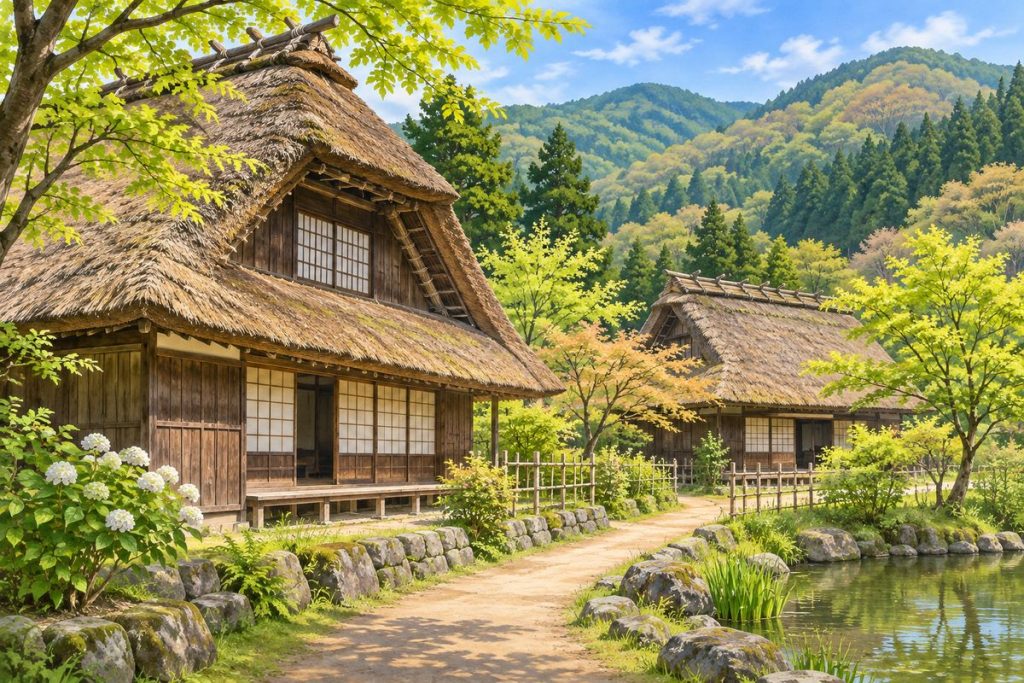
源平の戦いに敗れた平家の落人が住みついたという伝説が残る湯西川。平家の里は、その生活様式を後世へ伝えるため、村の茅葺き民家を移築して再現し、1985年に設けられました。伝承をたどる展示と山村の民具を合わせて見る場所で、村の歴史と物語に触れながら園内を歩けます。
木工、生活用具と平家ゆかりの展示
館内では、木杓子などを作った木工の道具、山の生活用具、機織り機などを展示しています。郷土文化の資料や平家物語ゆかりの展示、赤間神宮の分社もあり、建物ごとにテーマをたどれます。囲炉裏のある民家や庭の景色も見学の一部で、山里の暮らしと伝説を、屋内展示と屋外の散策の両方から知る行程です。
4月改定と11月の繁忙期料金
2026年4月1日から通常期は大人700円、小中学生300円、乳幼児無料です。11月1~30日と市が別に定める繁忙期は800円・400円。30名以上の団体は通常600円・200円、繁忙期700円・300円になります。対象の障がい者手帳を提示する本人と介護者1名は免除。観覧する月と人数に合う区分を使います。
季節の開館時間と温泉街への道
4月1日~11月30日は8時30分~17時、最終入館16時30分。12月1日~3月31日は9時~16時30分、最終16時です。通常無休で、野岩鉄道湯西川温泉駅からバス約25分、終点湯西川温泉すぐ。車は今市ICから約1時間で、駐車場があります。山間の温泉街なので、帰りのバスと日没を含めた散策時間を取れます。
日光市内で組み合わせる訪問先
湯西川温泉街の平家の里、本家伴久、水の郷は、山里の歴史、食事と入浴を組み合わせられる訪問先です。駅直結の道の駅は西川にあり、温泉街とは別の場所なので、バスや車で移動する時間を取れます。食堂の繁忙期営業、宿の夕食開始、平家の里の季節の閉館時刻を合わせ、冬は山道に余裕を持って巡れます。
Refugee traditions and thatched houses
Yunishigawa preserves a tradition that Heike refugees settled here after defeat in the Genpei War. Established in 1985, this site relocated and reconstructed village thatched houses to present their way of life. Exhibits combine the transmitted stories with mountain-village implements, allowing visitors to explore both local history and tradition.
Woodcraft, daily implements and Heike displays
Displays include tools for making wooden ladles, household implements from mountain life and a loom. Local cultural material, Heike-related exhibits and a branch of Akama Shrine provide different themes between buildings. Houses with hearths and garden scenery add to the visit, combining indoor displays with outdoor walking.
April revision and November peak prices
From April 1, 2026, normal admission is ¥700 for adults and ¥300 for primary/junior-high pupils, with preschool children free. November 1–30 and other city-designated peak periods cost ¥800/¥400. Groups of thirty or more pay ¥600/¥200 normally or ¥700/¥300 at peak times. Eligible disability-certificate holders and one carer are exempt upon presentation.
Seasonal hours and the village approach
Open April 1–November 30 from 8:30 to 17:00, last entry 16:30, and December 1–March 31 from 9:00 to 16:30, last entry 16:00. Normally open daily. Take a roughly twenty-five-minute bus ride from Yagan Railway’s Yunishigawa Onsen Station to the terminus. Driving takes about an hour from Imaichi Interchange, with parking available. Allow for the return bus and mountain sunset when walking the village.
Other stops to combine within Nikko
Heike-no-Sato, Honke Bankyu and Mizunosato combine mountain history, food and bathing. The station-connected roadside stop is in Nishikawa, separate from the hot-spring village, requiring bus or car travel. Match peak-month dining, the inn’s dinner start and the museum’s seasonal closing time, allowing extra time for winter mountain roads.
周辺の地図
同じ地域の旅の案内
足尾銅山観光駐車場|無料100台とバス17台、工事中の入坑動線を確認
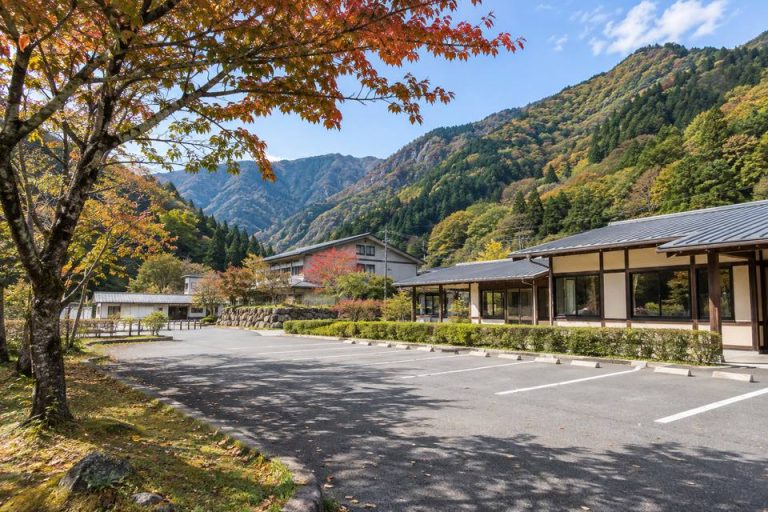
足尾銅山観光の無料駐車場は乗用車100台・大型バス17台、バスも予約制ではありません。2026年9月2日から旧レストハウス工事で、ふれあい館の仮設券売場から入場します。退場後の駐車場まで約250m、高低差約15m・約70段。見学最終16時15分、12月3日から定休日を新設します。
案内を読む↗杉並木公園駐車場|国道119号側27台と上今市駅側26台、無料で公園散策
杉並木公園の無料駐車場所は、国道119号沿い普通車27台・大型3台、上今市駅近く普通車26台。杉並木や水車、旧江連家と報徳庵へ歩けます。旧江連家は10~16時、12月29日~1月3日休館で、公園の屋外散策とは別の時間。そば店も独自の営業時間があります。
案内を読む↗道の駅湯西川駐車場|駅直結の24時間休憩、EV充電は別の利用時間
湯西川温泉駅直結の道の駅で休む駐車場。小型車52台・大型3台・身障者用3台の区分があり、駐車場とトイレは終日利用できます。急速充電1回30分550円、普通充電90分100円、受付は急速16時30分・普通15時30分まで。売店や温泉の営業は別で、温泉は8・10・11月の第3火曜が休みです。
案内を読む↗市営龍王峡駐車場|無料の峡谷入口、24時間使える多目的トイレ
龍王峡駅近く、渓谷散策に使う市営の無料駐車場。公衆トイレは多目的設備があり24時間利用可能、冬季閉鎖なしです。駐車後は徒歩で虹見の滝やむささび橋へ。駅から虹見の滝約12分、むささび橋周回は約2km・1時間。今市ICから通常約35分です。
案内を読む↗県営湖畔第一駐車場|24時間・229台、朝4時区切りの500円と共通券
中禅寺湖畔、24時間入出庫可能な県営駐車場。229台、乗用車枠は長さ5m・幅1.9m・高さ2.1m・重量2tまで。普通車1回500円、バイク200円、バス2,000円で、朝4時に日付を区切ります。県営11か所の共通1日券は普通車1,000円。船の駅中禅寺へ徒歩約3分です。
案内を読む↗輪王寺第2駐車場|乗用車500~1,000円、季節で変わる受付終了時刻
日光山輪王寺の一般乗用車専用駐車場。料金は時期により500~1,000円、予約不可、二輪・三輪不可で車の大きさによる制限もあります。受付は4~10月7時30分~16時、11~3月15時まで。積雪や落葉で開始が遅れたり、行事で利用できない場合があり、寺院の拝観締切とは別です。
案内を読む↗